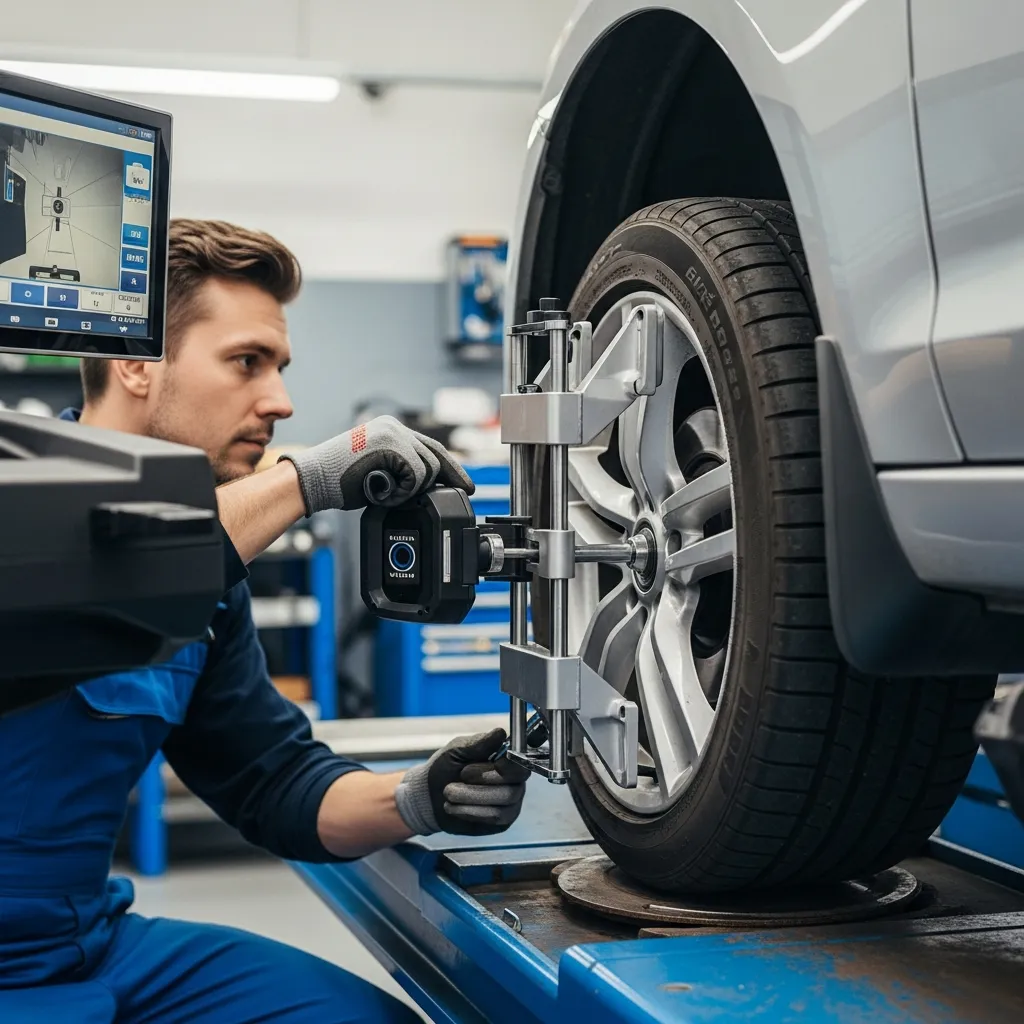

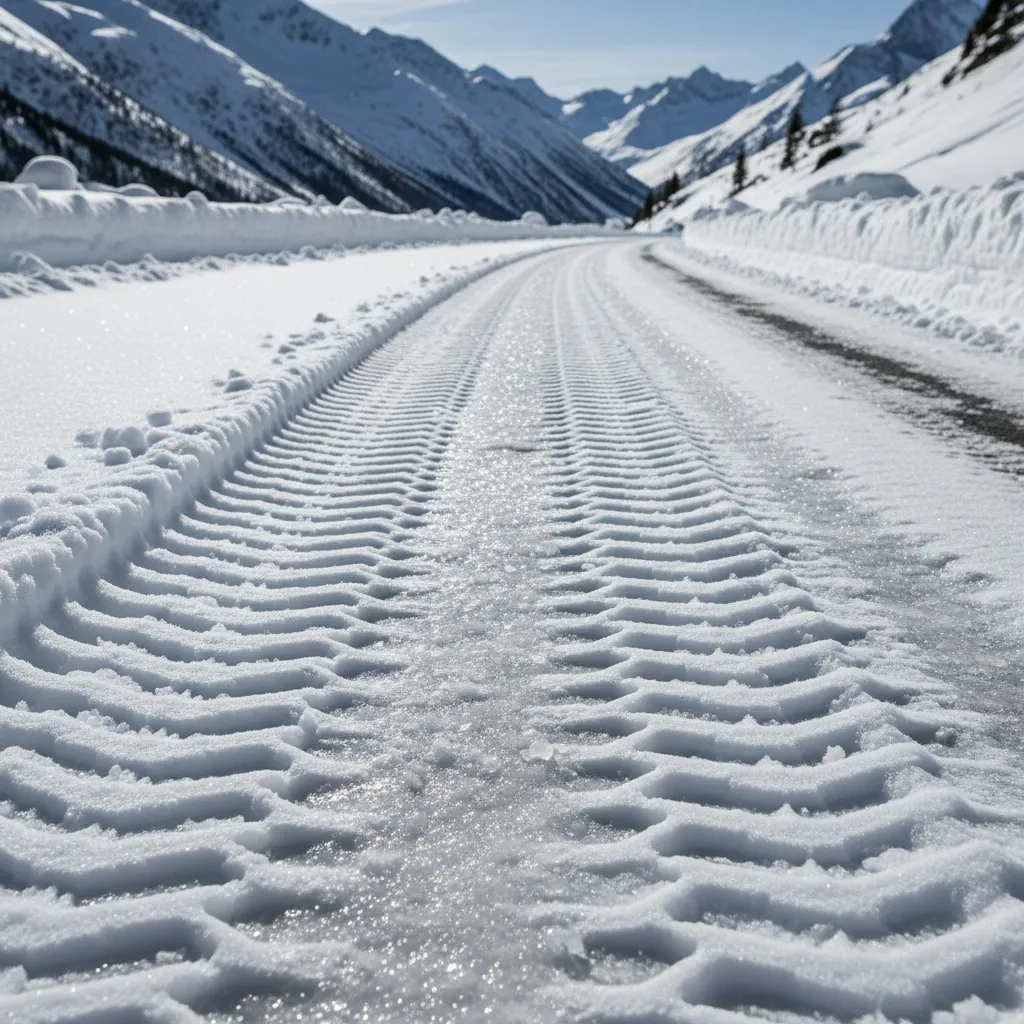
Living in Durango means adapting to rapidly changing weather conditions. One minute the sun is shining on the Animas River, and the next, a snowstorm is rolling over the San Juan Mountains. For vehicle owners, this raises a common question: are all-season tires enough, or is it time to invest in dedicated winter rubber?
Understanding the Difference
The main difference lies in the rubber compound and tread design. All-season tires are built to handle a variety of road conditions, from dry pavement to wet roads and light snow. They are a convenient option for drivers who want one set of tires year-round. However, when the temperature drops significantly, the rubber in all-season tires can harden, reducing traction.
Conversely, the best winter tires are engineered with specialized rubber compounds that remain flexible even in freezing temperatures. This flexibility allows the tire to grip the road better on ice and hard-packed snow. If you frequently drive on unplowed roads or head up to Purgatory for skiing, dedicated winter tires provide a safety advantage that all-seasons cannot match.
When to Make the Switch
Timing is everything. We generally recommend installing winter tires once temperatures consistently drop below 45 degrees Fahrenheit. If you are looking for tires that can handle the specific challenges of La Plata County winters, our team at Firestone of Durango: Fleet Tire & Battery can help you assess your driving habits and choose the right setup.
Whether you stick with versatile all-seasons or swap to winter treads, ensuring your tires have adequate depth is critical for safety. Stop by our shop today to check your tread depth and tire pressure before the next storm hits.